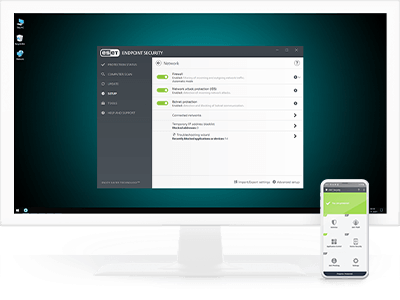
Endpoint security deals with protecting systems that link to a central network. It watches for risks and stops threats before they spread. This setup works across offices and remote setups.
With different tools in place, the goal is to keep each part of the system safe during daily tasks and activities.
What is endpoint security?
Endpoint security refers to protecting devices that connect to a larger network. These devices, known as endpoints, include computers, mobile phones, tablets, and even printers. Security tools are used to watch over these endpoints and block any action that looks unsafe. These tools usually work in the background while the device is in use.
Basic features in endpoint security:
Most endpoint security tools have similar features. These may include antivirus scanning, web filtering, firewall settings, and device control. Antivirus scanning checks files and apps for harmful content. Web filtering blocks certain websites that may contain threats. Firewall settings control what data comes in and out of the device. Device control can limit the use of USB drives or other plug-in devices.
How it works in a network:
When several devices are linked to the same system, endpoint security helps protect each one separately and also works as a group. A central dashboard may be used to view alerts, check the status of each device, or update settings. This is useful for businesses that manage many computers and want to apply the same rules across all devices.
Automatic updates and monitoring:
Many endpoint security tools offer automatic updates to stay current with new threats. These updates include the latest threat information and ensure all parts of the system are working properly. Some tools also send alerts or reports about recent activity, giving a quick overview of what has been blocked or flagged.
Choosing endpoint security software:
There are many providers of endpoint security software. Each offers a different set of features. When selecting software, look for ease of use, update options, and reliable customer feedback. Installation guides and support services are often available on the provider’s website.
Keeping devices protected:
Endpoint security is most effective when devices are regularly scanned and updated. Users should also avoid downloading files from unknown sources and keep strong passwords on all accounts. These small steps add extra protection along with the software.
